Want to go to Andalucia in March?
Find out if the region is right for you at this time of year, with our comprehensive guide to climate, travel conditions, crowds, prices, attractions and events.

This opinion is completely independent, based on our experiences. We made our own choices, visited the area anonymously, and paid our bills in full.
Going to Andalucia in March: quick answers
Is the weather nice in Andalucia in March? Is this a good time to visit?
March marks the beginning of spring in Andalucia, and we consider it one of the best months to visit the region. Temperatures are rising significantly. Days reach 18°C to 21°C on the coast, and cool mornings quickly give way to generous sunshine. Sunshine exceeds 7 hours a day at the end of the month. It’s also blossom time: orange and almond trees embellish country landscapes, and big-city gardens begin to reveal their first colors. Moreover, March immediately precedes Holy Week, which attracts huge crowds. If you’re looking to take advantage of sites without crowds, give preference to the first two weeks of the month. Evenings remain cool and still require a light jacket.

WHERE TO STAY IN Andalucia
Our independent picks for the accommodation of your dreams:
Select by city:
- Best hotels in Sevilla
- Best hotels in Malaga
- Best hotels in Granada
- Best hotels in Cordoba
- Best hotels in Ronda
- Best hotels in Almeria
- Best Hotels in Cádiz
Select by hotel type:

Travelling to Andalucia in March: summary of conditions
Temperatures
Temperatures are getting milder. On the coast, the thermometer reads between 18°C and 21°C (64°F and 70°F) during the day. Inland, Sevilla and Cordoba reach 19°C to 22°C in the afternoon at the end of the month. Nights remain cool, around 8°C to 11°C. The Sierra Nevada is still covered in snow, especially at higher altitudes, although skiing conditions begin to deteriorate in the second half of the year.
Water temperatures
In March, the Mediterranean Sea registers between 15°C and 17°C (59°F and 63°F) on the Costa del Sol. On the Atlantic side, towards Cadiz, temperatures are slightly lower. Swimming remains a rare activity at the start of the month, although the hottest days of the second half of the year can make you want to get your feet wet.
Crowds and prizes
March still belongs to the low season, with the notable exception of Holy Week when it falls at the end of the month. Outside this period, sites such asGranada’s Alhambra or Sevilla’s cathedral can be visited in very comfortable conditions. Accommodation rates remain attractive over the first fortnight, then rise significantly as Holy Week approaches if it coincides with the end of March.
RENT A CAR IN Andalucia
- Compare prices on our preferred platform: DiscoverCars – one of the best rated sites.
- Choose a compact car, as some villages have very narrow streets!
- Think ofcomprehensive insurance for the same reason
- Book early for choice.

Opening conditions
The major tourist attractions, museums and monuments operate normally in March. Opening hours generally run from 10am to 6pm, with some sites closing between 2pm and 4pm for lunch – a local custom you’ll need to anticipate in your organization. Beach chiringuitos begin to reopen gradually at the end of the month. All the city’s establishments are maintaining their usual levels of activity.
Length of day
Daylight hours average 12 hours. The days lengthen significantly throughout the month, giving you more time to explore the region at your own pace.

PLAN YOUR DREAM TRIP TO andalucia
All the information you need for your trip:
- 7 maps that make planning easier
- + 150 pre-selected locations
- Practical advice
- 300+ photos to help you choose
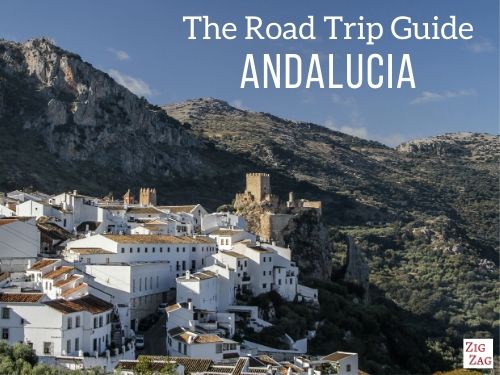
Best attractions in Andalucia in March
March offers particularly pleasant conditions for discovering Andalusian heritage. We particularly appreciated it:
- Granada’s Alhambra, a jewel of Nasrid architecture
- Sevilla Cathedral and Alcázar
- Cordoba’s Mezquita-Catedral
- White villages like Ronda or Arcos de la Frontera
- Granada’s historic Albaicín district
- The sherry cellars of Jerez de la Frontera
- Doñana Natural Park, ideal for migratory birdwatching in March
- The last Sierra Nevada ski outings at the beginning of the month
- Málaga’s museums
- Historic Arab baths in several cities
- …. See the Andalucia’s top attractions.
And lots of activities like these:
FUN in Andalucia: activities
- Cooking course in Sevilla
- Canyoning from the Costa del Sol
- Guided Hike on the Caminito del Rey

Climate in Andalucia in March – weather forecast
The Andalusian climate in March is one of the most pleasant of the year. The coast and major cities are enjoying increasingly mild spring weather, while inland areas are still experiencing cool mornings. The Sierra Nevada mountains maintain their snow cover at altitude. That month saw a beautiful alternation of bright, warm days, punctuated by brief showers that gave way to perfectly clear skies.
On the coast
The Costa del Sol and Costa de la Luz enjoy pleasant temperatures in March. The thermometer regularly exceeds 19°C to 21°C in the middle of the day. The sea breezes are still present, but they don’t prevent you from enjoying the terraces from midday onwards. We were able to go for a walk in short sleeves on some afternoons in late March. However, evenings cool down quickly: light clothing is still recommended after 7pm.

Inland
Inland cities such as Sevilla, Cordoba and Granada still enjoy cool mornings, sometimes accompanied by light mist in the valleys. Afternoons, on the other hand, are generous, reaching 19°C to 22°C at the end of the month. The brightness of spring brings out the best in Sevilla’s ochre facades and Cordoba’s flower-filled gardens. From mid-March onwards, orange blossoms fill the streets with their distinctive fragrance.

In the mountains
The Sierra Nevada remains snow-covered in March, especially at higher altitudes. It’s still a possible month for skiing at the start of the period, although snow conditions are starting to deteriorate gradually. The villages of the Alpujarras offer a transitional setting: the lower slopes are covered with almond and cherry blossom, while the ridges remain white. It’s less than 1 hour’s drive from Granada to reach the resort.

March temperatures in Andalucia
Temperatures have risen sharply compared with February, depending on the city. Here are the averages for Andalucia’s main destinations.
Weather in Sevilla
- Average daytime temperatures: 20°C (68°F)
- Average night-time temperature: 9°C (48°F)

Temperature in Málaga
- Average daytime temperatures: 21°C (70°F)
- Average night-time temperature: 11°C (52°F)

Temperature in Granada
- Average daytime temperatures: 17°C (63°F)
- Average night-time temperature: 6°C (43°F)

Subscribe to our Newsletter
- Get away from it all with Region Lovers’ beautiful destinations!
- Once a month
- Advertising-free
Rain and Wind
March is a moderately rainy month in Andalucia, although rainfall is lower than in winter. Showers are often short and intense, typical of the Mediterranean climate, then give way to fine sunny spells. We found that the weather can change rapidly from an overcast morning to a sunny afternoon, especially in inland towns.
- Rainfall in Sevilla: 45 to 60 mm
(4 to 5 days on average) - Rainfall in Málaga: 50 to 65 mm
(over 5 days on average) - Rainfall in Granada: 35 to 50 mm
(over 4 days on average)
Snow remains at altitude in the Sierra Nevada, but is becoming very rare in lowland towns. Granada may occasionally receive a few flakes at the beginning of the month on the coldest nights, with no impact on city travel.
The prevailing winds blow from the west in March, carrying Atlantic humidity. The levante, a dry and sometimes strong easterly wind, can affect the Costa del Sol from time to time. On the whole, windy conditions remain moderate and do not affect daytime outings.

Sunshine
In March, daylight hours vary from 11:15 to 13:00.
Sunrise is around 7:30 am and sunset around 7:30 pm at the end of the month.
Sunshine levels are well up on February. We counted an average of 7 to 8 hours of sunshine a day in the second fortnight. The Mediterranean coast remains the most favored zone, while inland areas also enjoy long, clear-sky beaches. This spring light, brighter than in winter, makes the most of the region’s flower gardens and monuments.
Longer days allow us to organize more complete visit programs. In the late afternoon, the golden light sublimates the monuments: the perfect time to photograph Sevilla’s Plaza de España or the ramparts of the Alhambra. However, it is advisable to plan your hikes in the morning to avoid the increasing midday heat.

Water temperature – swimming in Andalucia in March
Bathing in the sea is not very common in March, although the warmer days at the end of the month may encourage you to get closer to the shore. Heated hotel pools remain the best option for enjoying the water in a comfortable setting.
- Water temperature in Málaga: 16°C (61°F) on average
- Water temperature in Marbella: 16°C (61°F) on average
- Average water temperature in Cadiz: 16°C (61°F)

Crowds and other conditions
March remained generally quiet in terms of tourist numbers over the first fortnight. We visited the Alhambra at the beginning of the month with no reservation problems, which is quite a feat compared to summer or Easter. The historic centers of Sevilla and Cordoba retain an authentic local atmosphere, with lively neighborhood markets and crowded tapas bars in the evenings.
By the end of the month, however, the situation changes if Semana Santa falls in March. This major religious festival attracts hundreds of thousands of visitors, especially to Sevilla, whose processions are among the most impressive in Spain. Accommodations fill up months in advance. Orange blossom perfumes the streets at this time of year, and the first blooms of glicina and bougainvillea color the patios. Evening meals rarely start before 9pm, and restaurants stay busy until midnight.

Flowering and nature in March
March is undoubtedly the month when Andalucia’s nature reveals itself most generously. The countryside is covered with a carpet of wild flowers: poppies, daisies and lavender dot the roads between the white villages. In the cities, orange trees are in full bloom, and their fragrance accompanies strolls through the narrow streets of Sevilla and Cordoba. We were surprised by the richness of this show, which one doesn’t spontaneously associate with Andalucia.
March is a particularly good time to see migratory birds in Doñana Natural Park. Hundreds of species stop off at the park’s wetlands on their northward migration. This is also the season when the almond trees in the Alpujarras finish flowering, gradually replaced by cherry and plum trees. The gardens of the Alhambra, Sevilla’s Real Alcázar and Cordoba’s Mezquita are at their most beautiful during this period.

March events in Andalucia
- Semana Santa (Holy Week): when it falls in March (dates vary from late March to mid-April), this is the most important event in the Andalusian calendar. Sevilla’s processions are among the most spectacular in Spain: brotherhoods in tunics parade through the narrow streets of the old town, carrying carved floats of great artistic value. Granada and Málaga also offer well-attended processions. If you wish to attend, book your accommodation and transport several months in advance.
- Festival de Flamenco de Jerez (continued): this benchmark festival, whose program sometimes extends into March, brings the most renowned flamenco artists to Jerez de la Frontera. Performances are held in historic halls and bodegas, in a very special atmosphere.
- Granada Handicrafts Fair: in March, several handicrafts markets enliven Granada’s historic center, with stands dedicated to ceramics, leather and goldsmiths’ wares, inherited from the city’s Nasrid and Mudéjar traditions.
- International Forest Day (March 21): Doñana Nature Park and other protected areas in Andalucia organize guided hikes and environmental awareness activities, accessible to all levels.


It’s time to book!
Compare everything: airlines, prices, schedules, and availability.
March prices
As everywhere, prices vary depending on what you are looking for. Accommodation ranges from youth hostels to 5-star hotels. It is therefore difficult to give a budget. In March, rates remain attractive over the first fortnight, often comparable to those of winter. The situation changes radically if Holy Week coincides with the end of March: in this case, accommodation in Sevilla, Granada and Málaga fills up very quickly and prices can double compared with the low season.
Other months
When to go to Andalucia, other months…
- Andalucia in January
- Andalucia in February
- Andalucia in April
- Andalucia in May
- Andalucia in June
- Andalucia in July
- Andalucia in August
- Andalucia in September
- Andalucia in October
- Andalucia in November
- Andalucia in December
Or read our article on the best time to visit Andalucia.
PLAN YOUR TRIP TO Andalusia
Inspiration

Practice
Places not to be missed